Every week here at Geo Week News, we have been highlighting some of our favorite stories from around the internet that cover the geospatial, 3D, and AEC industries. Whether it’s a fascinating case study, insights from an industry thought leader, or deep dives into new tools, there is never any shortage of great writing and storytelling in this industry. So, below you can find links to three stories that we loved this week.
Archaeology Student Discovers a Lost Mayan City While on Page 16 of a Google Search
Radhika Agarwal | Scoop Up
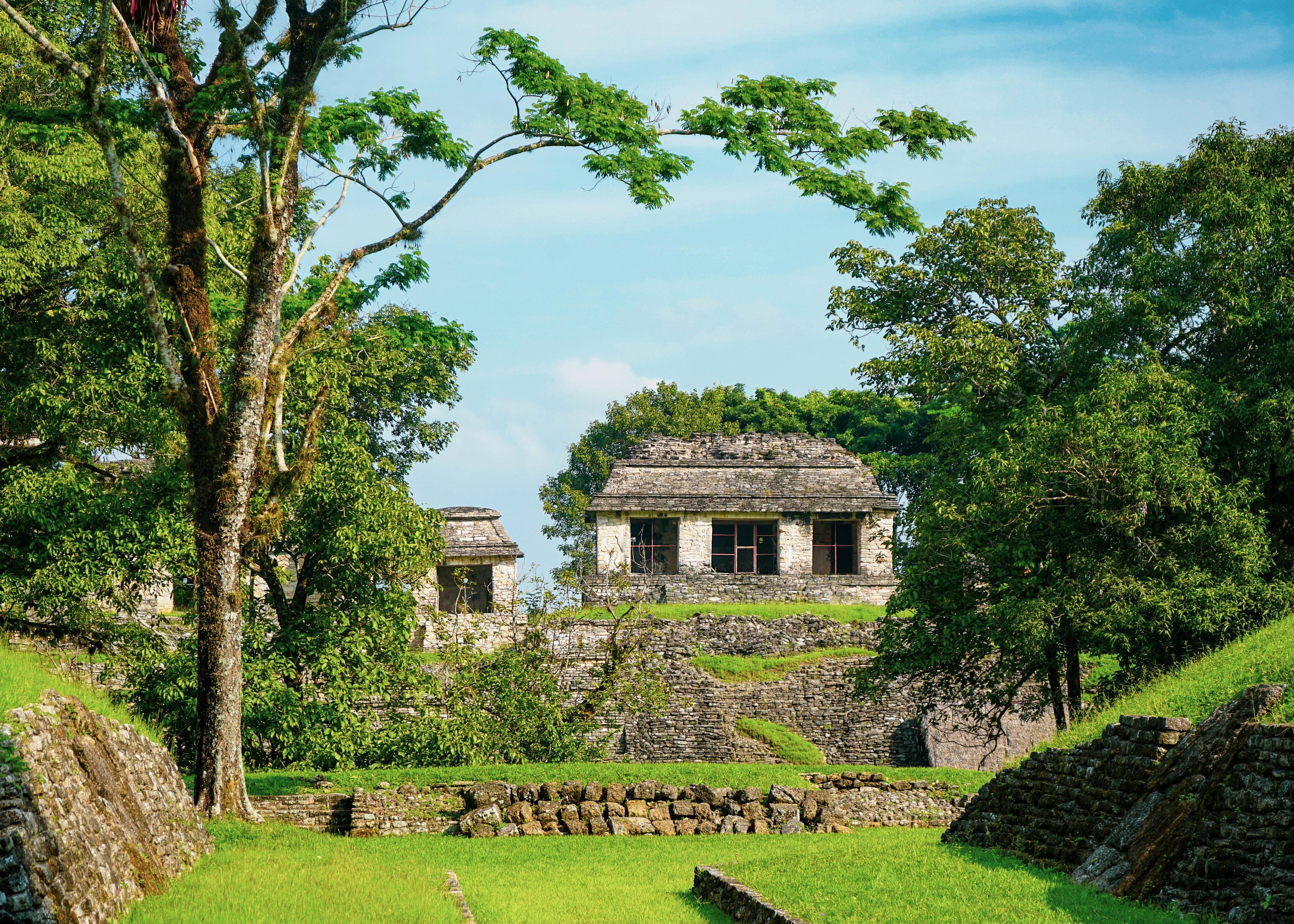
An archaeology student named Luke Auld-Thomas made an extraordinary discovery while doing research from his computer - he found a lost Mayan city hidden in the Mexican jungle. He was deep into a Google search (page 16!) looking through lidar survey data when he stumbled upon what turned out to be Valeriana, a major ancient city with pyramids, plazas, and thousands of structures. The discovery shows that sometimes the most significant archaeological finds don't require expensive expeditions - just persistence and a willingness to dig through Google search results that most people would never reach.
Mapping What Matters
Staff Writer | University of Wisconsin
Students from the University of Wisconsin explored various topics through their understanding and research with GIS tools. The students created maps that tackled real-world issues from wildlife conservation to data center expansion. The projects were showcased in December during the department's first ever reverse career fair - an event where employers are asked to attend as guests, and students are the ones tabling for them. This way, the students were able to demonstrate their projects and key understanding of the GIS world, and just how diverse and capable this work is.
3D mapping of fault beneath Marmara Sea reveals likely sites for future earthquakes
Institute of Science Tokyo | Phys.org
Scientists have created a detailed 3D map of a major fault line beneath the Marmara Sea near Istanbul, revealing crucial information about earthquake risk in the region. Using advanced seismic imaging technology, researchers discovered that the fault has complex geometry with multiple segments and variations in depth that weren't previously understood. This mapping is critical because the North Anatolian Fault beneath the Marmara Sea is overdue for a major earthquake that could devastate Istanbul, a city of 16 million people, and the new 3D model will help scientists better predict where and how a future quake might strike.