Every week here at Geo Week News, we have been highlighting some of our favorite stories from around the internet that cover the geospatial, 3D, and AEC industries. Whether it’s a fascinating case study, insights from an industry thought leader, or deep dives into new tools, there is never any shortage of great writing and storytelling in this industry. So, below you can find links to three stories that we loved this week.
How Small Ports Can Implement Digital Twin Technology
Zachary Amos | Global Trade
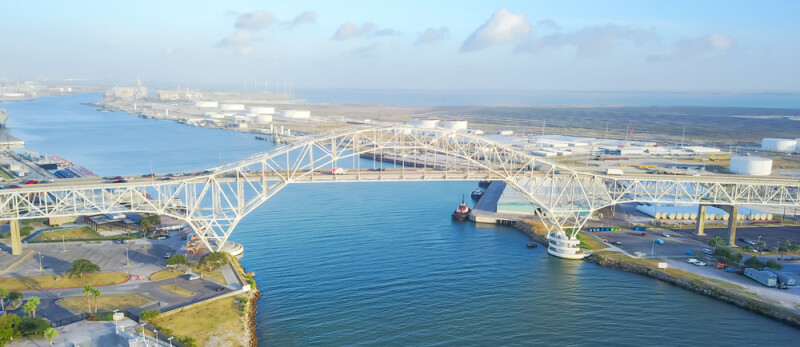
Digital twins can and are being used for a variety of use cases, but they are arguably most powerful for complex facilities with many moving parts. By using digital twins, operators can more easily track everything happening, take note of potential issues before consequences start to rear their head, and even perform simulations to better streamline operations. Ports are a great example of this, as we’ve covered with the Port of Corpus Christi. This article from Amos discusses the value for small ports and how they can take advantage of the tool.
How 3D laser scanning solutions can accelerate infrastructure surveying as reservoir building boom begins
pbctoday
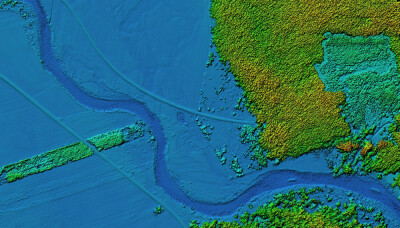
Over in the UK, temperatures are rising every summer and the local communities are trying to find ways to better adapt to this changing climate. One of the major effects has been on available fresh water, leading to conversations about the need to build more reservoirs now to be prepared for the future. This article dives into that topic, and looks specifically at how utilizing laser scanning can help speed up that process and ensure enough of this critical infrastructure can be built.
He Lost His House in the L.A. Fires. Luckily, He Had a Copy of It on His Laptop.
Joanna Thompson | Slate
While we talk a lot about lidar here at Geo Week News, the lidar scanner on the back of newer iPhone models doesn’t come up as much. Simply put, the accuracy on these scanners often isn’t up to par for the major projects we tend to highlight. That being said, the technology is improving, and there are plenty of smaller use cases for which that scanner can be valuable. That has proven true in Los Angeles, where some residents affected by this year’s wildfires have been able to rebuild their homes nearly exactly as they were, thanks to scans they performed prior to the disaster with their phones.