Every week here at Geo Week News, we have been highlighting some of our favorite stories from around the internet that cover the geospatial, 3D, and AEC industries. Whether it’s a fascinating case study, insights from an industry thought leader, or deep dives into new tools, there is never any shortage of great writing and storytelling in this industry. So, below you can find links to three stories that we loved this week.
Mission Possible
Jerry Guerra | American Surveyor
A fourth grader in California completed a full 3D LiDAR scan of Mission Soledad, one of the state’s least-documented historic landmarks with the help of his father, a talented surveyor. Using terrestrial laser scanning technology, the pair captured detailed topography and architecture data to support preservation and education efforts. The project underscores how modern surveying tools are being used in unexpected ways to document cultural heritage and engage the next generation in geospatial work.
Digital Twin Technology Preserves Alcatraz Island
Ian McNabb | Drone Life
At Intergeo 2025, VCTO Labs founder Pete Kelsey unveiled one of the most ambitious digital preservation efforts ever attempted: a full-scale digital twin of Alcatraz Island. Using drones, terrestrial LiDAR, robotics, and AI-driven processing, his international team captured four terabytes of data to create the most detailed 3D record of the historic site to date. The project not only supports long-term conservation amid rising sea levels and seismic threats but also opens the door to future virtual tourism and education initiatives through immersive reality technologies.
Macro Gaussian Splatting of Insects
Nathan Roe and Dany Bittel | Lidar News
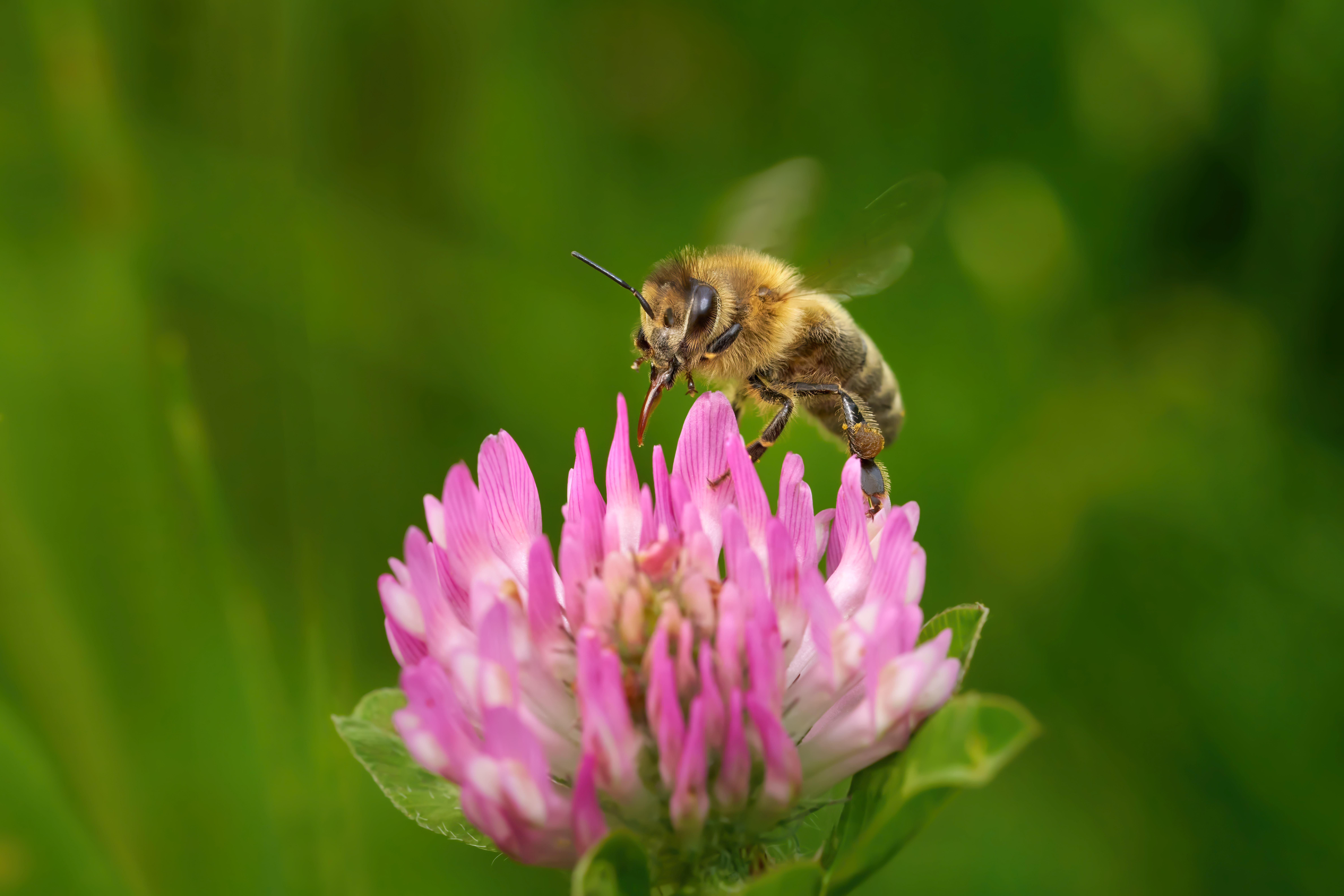
Digital artist and macro splat innovator Dany Bittel is pushing the limits of 3D visualization with macro Gaussian splatting, a process that transforms focus-stacked macro photographs into lifelike, interactive 3D models. Through extensive experimentation, Bittel developed a workflow that captures insects in remarkable detail combining photography, automation, and advanced compositing techniques. His work highlights the growing potential of Gaussian splatting for scientific visualization, education, and digital art.